Since its launch in 2016 Tiktok has grown into a global platform with over 1 billion users worldwide. More than half its users are young people aged 15-24, making it a powerful way to connect with the youth of today. While many turn to social media platforms to stay in touch with friends and family, an increasing number also use it to follow the news, explore trending topics, and access educational content. This positions platforms like Tiktok as more than entertainment hubs — they can play a role in shaping future citizens.
Social media creates a sense of community quickly, connecting people across distances who share similar identities or experiences. A great example is the queer community which uses social media platforms to share personal stories, offer support and information around gender and sexuality. It can provide knowledge and raise awareness on the current situation and rights of LGBTQ+ people. Furthermore, social media platforms allow individuals affected by injustice or violence to directly share their stories and raise funds for their causes by linking to charity or crowdfunding sites. This creates opportunities for direct public engagement and offers perspectives that go beyond traditional news coverage, fostering greater awareness and empathy, important qualities to have. Social media can reinforce or expand on learning that begins in traditional settings like school, home, or the workplace, especially when those settings offer only brief or limited instruction. Information must be shared quickly since algorithms usually prefer short content – Tiktok is the best example of this – so content creators are efficient when presenting their ideas.
Although it’s important to note that those courses are not replaceable since the use of social media, without knowing how it works, can be more harmful than useful. Social media can also connect people in a way that traps people together in a gated community without any exterior point of view challenging the thoughts and ideas of the viewer. A part of civic education is learning to discuss and debate in a democratic context and environment.
A great number of fake news also circulate on all the social media platforms. A heavily distorted truth can be shared too quickly to be controlled by the moderators. Fake news can be seen by an extraordinary number of people in record time as information has never circulated so fast as today. Public political figures can themselves be sources of disinformation, further complicating the problem.
Only using social media as a way to educate oneself is therefore inadvisable. Like specified before, social media is primarily used for entertainment and algorithms are built to offer only the content a user would consume. Since most platforms are primarily designed for entertainment, their algorithms prioritize content that aligns with a user’s preferences—not necessarily what is accurate or educational. Without complementary instructions young people may never see content that challenges their views or promotes informed citizenship. Social media platforms can be used as an educational tool as long as younger audiences are made aware of how to use it for this purpose, much like learning how to use a dictionary. These platforms can support traditional foundations and contribute to the development of future citizens.
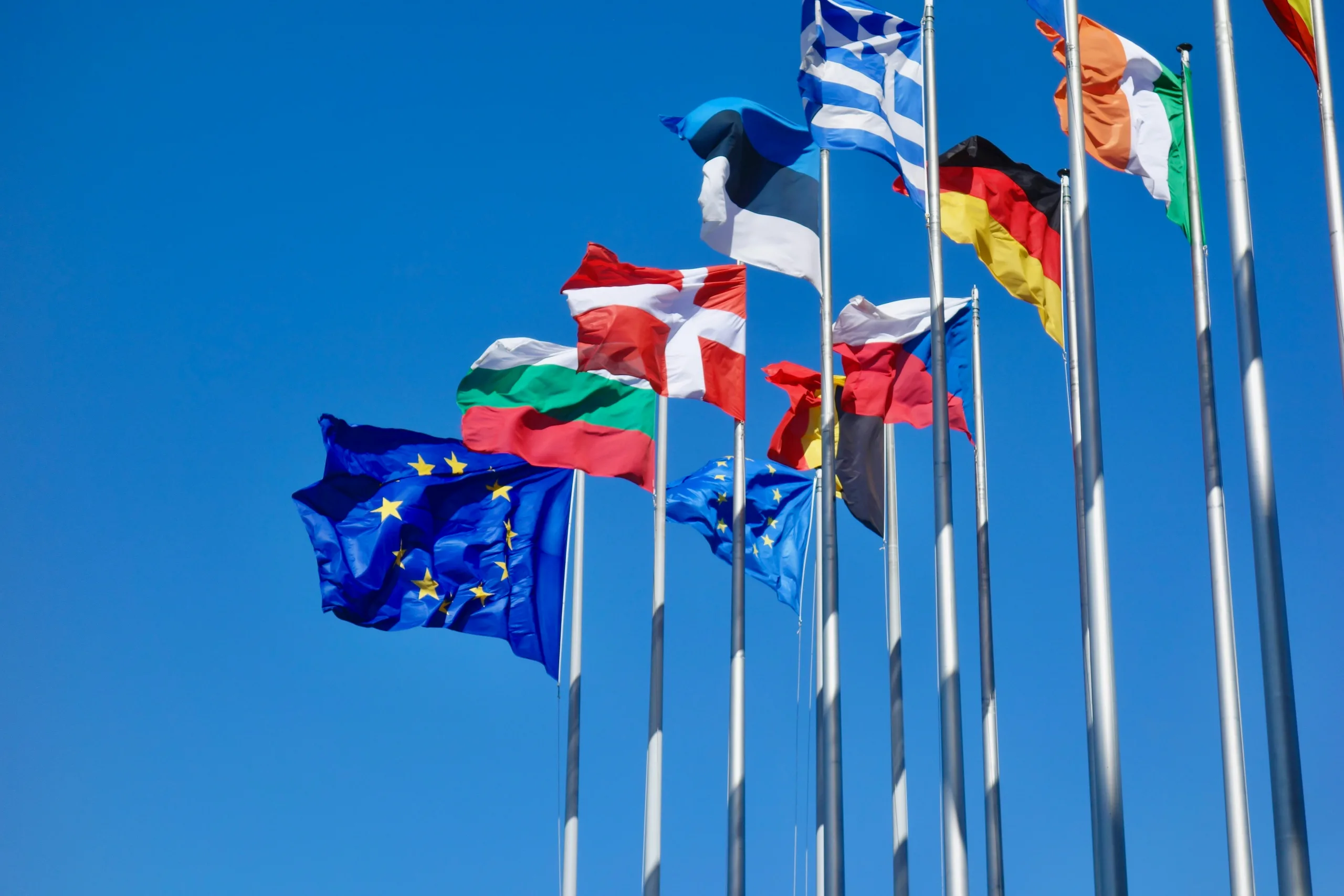
Every year on May 9th, Europe celebrates Europe Day, a key moment in the history of the European Union. It marks the anniversary of the Schuman Declaration, delivered on May 9, 1950, by French Foreign Minister Robert Schuman. This visionary speech proposed the creation of a united Europe to prevent future conflicts and lay the groundwork for lasting peace — a proposal that ultimately led to the foundation of the European Union.
Why Does Europe Day Still Matter? For young people today, Europe Day is more than just a historical commemoration. It’s a celebration of the values that continue to shape our shared future: democracy, diversity, unity, and solidarity. It’s a reminder of how far we’ve come — and a call to action for the generations who will shape the Europe of tomorrow.
Young Europeans today are not only beneficiaries of the EU’s achievements — they are active contributors to its progress. Europe Day represents their voice, their vision, and their vital role in building a continent that is inclusive, sustainable, and united in its diversity.
Youth DemocrAID and the European SpiritThe Youth DemocrAID project is a living example of youth engagement in action. Through cross-border cooperation, this initiative empowers young people to embrace European values and take an active role in shaping their communities. Youth DemocrAID embodies the spirit of civic participation, democratic dialogue, and unity, bringing together young individuals from across Europe to engage in meaningful activities — from debates and workshops to volunteering and grassroots initiatives. By participating in Youth DemocrAID, young Europeans are not only learning about the EU — they are living its values every day.
Voices of Young Europeans: What Does It Mean to Be European?We asked young people involved in European initiatives such as the European Solidarity Corps and Erasmus+ to reflect on their experiences and share their personal views on what it means to be European today.
Raquel, 22 – Spain 1. What values do you associate with the European Union? Union, safety, growth 2. What do you think is the role of youth in the future of Europe? Youth involvement is essential — it will shape the Europe of tomorrow. 3. How do you see solidarity in action through projects like yours? These projects benefit both society and the individuals involved, creating mutual growth and understanding.
Sandro Shaverdashvili, 25 – Georgia 1. What values do you associate with the European Union? Equality, freedom, education, and safety 2. What do you think is the role of youth in the future of Europe? Young people have the power to create new and innovative ideas and contribute to safer and more inclusive societies. 3. How do you see solidarity in action through projects like yours? Solidarity is evident when people support each other, share experiences, and give back to their communities — working with both youth and elders with passion and purpose.
Yana Shevchenko, 25 – Ukraine 1. What values do you associate with the European Union? Freedom of choice, diversity, opportunity, and empathy 2. What do you think is the role of youth in the future of Europe? Young people should work toward sustainability and ensure equal opportunities across generations and genders. 3. How do you see solidarity in action through projects like yours? Solidarity comes to life when people from different backgrounds live and work together, creating unity across nations.
United in Diversity From these reflections, it’s clear that Europe Day serves as a celebration of the values that unite us, even amidst our differences. The shared commitment to democracy, peace, and solidarity is what makes us European. As we look to the future, it is crucial that young people continue to be at the forefront of shaping the Europe they want to live in. Europe is not just a place; it is an idea — and its future will be built on the collective action and vision of today’s youth.
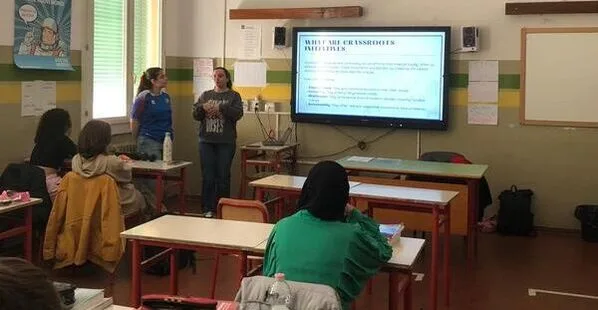
We had the opportunity to visit Liceo Laura Bassi to introduce our project, Youth DemocrAID: Education, Debate, Action, through a series of interactive workshops aimed at promoting youth engagement and democratic values. In total, we conducted four workshops, each focused on a different topic but all united by a common goal: empowering young people to actively participate in democratic life.
We began with a session on Ethical Standards and European Values, which served as a set of shared guidelines for how the workshops would be conducted — promoting respect, inclusivity, and open-minded dialogue. Following this, we introduced the CERV program (Citizens, Equality, Rights and Values), providing context for the European framework supporting our work. After that, we presented the Youth DemocrAID project, outlining its goals of education, debate, and action for empowering young people in democratic participation.
Community Action and Grassroots Initiatives
Under this theme, students took part in a dynamic activity called “Map of Change.” They identified key issues affecting their communities, explored their root causes and consequences, and reflected on how these challenges impact their daily lives.
We then moved to “From Idea to Action,” where students worked in teams to turn their ideas into real action plans. They organized their proposals into clear steps and presented them to the class for discussion and feedback.
Youth and Civic Engagement
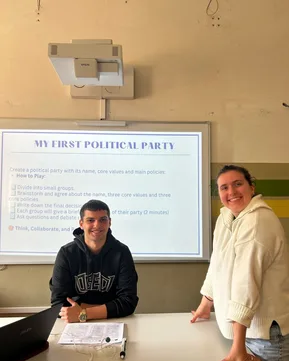
We kicked off this workshop with an energizer to boost motivation, followed by the activity “My First Political Party.” Students created fictional political parties, including names, core values, and main policy ideas. This helped them better understand how political ideologies are formed and how parties represent different viewpoints in a democracy.
We wrapped up with “Political Compass,” a quiz covering social and economic questions. Students reflected on their answers to discover where they stand politically and which ideologies align with their views. It was a fun and thoughtful way to explore personal beliefs and political positioning.
Political Participation and Advocacy
We started with a brief theoretical introduction, emphasizing how political participation strengthens democracy and shapes political awareness. Students learned about both conventional forms (like voting or joining parties) and unconventional ones (like protests and online activism).
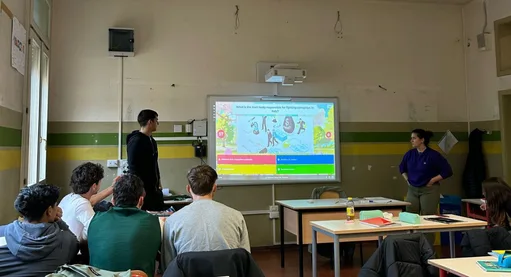
Next, we played a “Mind Game” where students created a crossword using the phrase “POLITICAL PARTICIPATION,” brainstorming words and ideas connected to political life. Then we tested their knowledge through a Kahoot quiz about the political systems in Italy and the European Union. We closed the session with “Speed Debating,” where students rotated tables to discuss a range of political topics. This helped them practice expressing their opinions, listening to others, and thinking critically.
Introduction to Democracy and Citizenship
In our final workshop, we introduced the basics of how democracy works in Italy and invited students to share their knowledge. Using Mentimeter, we collected their opinions on the current state of democracy in their country.
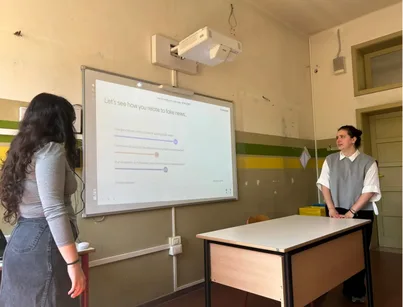
We ended with a game called “Be a Fake News Content Creator.” Students analyzed various news stories, learning how to distinguish between real and fake information. The activity highlighted how misinformation can harm democratic processes and the importance of media literacy.
Throughout the sessions, we encouraged students to actively participate, think critically, and collaborate with their peers. Their enthusiasm and creativity were truly inspiring, and it was exciting to witness their engagement in shaping positive change within their communities. These workshops reaffirmed the importance of fostering youth-led initiatives and equipping young people with the tools to turn their ideas into meaningful action. We’re proud to support a generation that is ready to make a difference.
In the majority of societies across the world and history, women have not played an important role in democracy. Throughout history, women have not been recognized as important figures due to the patriarchal structures that dominated many societies, which relegated them to domestic roles and limited their participation in public life.
This, combined with restricted access to education, gender stereotypes that viewed them as “less capable”, exclusion from positions of power and a lack of historical documentation, contributed to their achievements being minimized or ignored.
Nevertheless, the change started in 1791 with the French Revolution when women not only made a great impact but also they demanded a legal reform. Women played a fundamental role in the French Revolution, promoting legal and social reforms, fighting for equal rights and actively participating in political and social transformation, although they did not achieve all their objectives at that time.
This mobilization helped lay the groundwork for future movements that would seek women’s rights. That’s because the real difference would not come until the XIX century when suffrage was a real thing and later when they have gone from being individuals devoted to family life and procreation to actively joining and becoming involved in the political life of the country. Therefore, women’s participation is key to democracies, as they need women to preserve their authenticity, and women need democracy to change the systems and laws that prevent them and society as a whole from achieving equality.
Feminist leadership has not been easy, it has come a long way to achieve it and there are still obstacles that limit its progress towards true and complete gender equality in positions of power. However, the statistics are growing on their way to development. Since 2014 to 2024, the percentage of women holding seats in national parliaments has increased 5,6%. And regarding national governments they have experienced an increase of 7,4%.
Despite that progress there are some countries that have not grown that much so it’s a long journey to equity yet. As we move forward in 2025, the data obtained reflect both progress and barriers that persist and face women in today’s world.
Right now, women have managed to break barriers and occupy leadership positions that had historically been denied to them, but the situation of female leaders in Europe remains a minority on the continent. Of 50 countries, only 15 have a female prime minister or head of state, excluding monarchs.
There are numerous examples of women who have broken stereotypes and built outstanding political careers, dedicating their work to the fight for women’s rights and gender equality:
Bibiana Aido, Spanish PSOE politician:
Aído is a Spanish politician from the PSOE. Since January 2017, she has been the representative of UN Women in Ecuador. She was Minister of Equality of the Government of Spain from April 2008 to October 2010. In the following legislature, this ministry was integrated into the Ministry of Health, Social Policy and Equality, so Aído was Secretary of State for Equality until July 22, 2011, when she left her post to join UN Women as a special advisor in September of that year. She thus became the youngest minister up to that time: she was 31 years old when she took office.
Roberta Metsola, Maltese lawyer and politician:
She is a Maltese lawyer and politician specialising in European politics. She has been the President of the European Parliament since 18 January 2022. Since 11 January 2022, she assumed the interim presidency following the unexpected death of David Sassoli and is the third woman to hold the presidency of this institution after Simone Veil and Nicole Fontaine. She is also the youngest person to hold the presidency of the European Parliament and has been a Member of the European Parliament since 2013, re-elected in 2019. Also, in October 2020, Metsola assumed the first vice-presidency of the European Parliament.
Emma Bonino, Italian politician:
She is an Italian politician and member of the Italian Parliament. She is known for her Europeanism and her defence of women’s rights. Between 1995 and 1999 she was European Commissioner for Fisheries and Humanitarian Aid in the Santer Commission. She also worked especially on campaigns against female genital mutilation, the rights of Afghan women and the fight against child prostitution and in 1998 she received the “Prince of Asturias Award for International Cooperation”. In 2013-2014 she was Minister of Foreign Affairs of Italy.
Élisabeth Borne, a French civil engineer and politician:
She is a French civil engineer and politician who served as Prime Minister of France from 2022 to 2024 and is a member of the La République en Marche (LREM) party. She was Minister of Labour, Employment and Integration from 2020 to 2022; Minister of Ecological and Inclusive Transition from 2019 to 2020; and Minister of Transport from 2017 to 2019. In addition, she was Prime Minister of France from 16 May 2022 to 8 January 2024, becoming the second woman to hold the office after Édith Cresson. She declared herself a feminist and promoted measures for equal pay and the fight against gender violence.
She is a Spanish labor lawyer, magistrate, judge emeritus and politician who was mayor of Madrid from June 2015 to June 2019. Prior to entering municipal politics, she also served as a member of the General Council of the Judiciary between 1996 and 2001. She fought for women’s rights and promoted gender equality in local politics.
Sanna Mirella Marin, finnish politics:
She is a Finnish politician who was Prime Minister of Finland from December 2019, and Chairwoman of the Social Democratic Party of Finland from August 2020 to 6 April 2023. Following the 2023 Finnish parliamentary election, in which the SDP came third, the Marin government formally resigned. She had previously served as Minister of Transport and Communications, from June to December 2019. She was the youngest head of government in the country’s history. Since retiring from politics in 2023, she has worked as a consultant for former British Prime Minister Tony Blair’s Institute for Global Change.
To sum up, the rise of women in politics is the result of progress in education, policy reforms, and activism. Education empowers women with the skills and confidence to lead, breaking stereotypes and fostering future female leaders. Policy changes, such as gender quotas and equal pay laws, have created opportunities for women to access leadership roles. Meanwhile, activism has driven these changes, challenging biases and advocating for greater representation.
While progress has been made, challenges remain. Continued efforts in education, legal reforms, and activism are essential to achieving true gender equality in politics.
There is a common belief that young people are disengaged from politics—that they don’t vote, follow the news, or care about local political issues. But is this really the case?
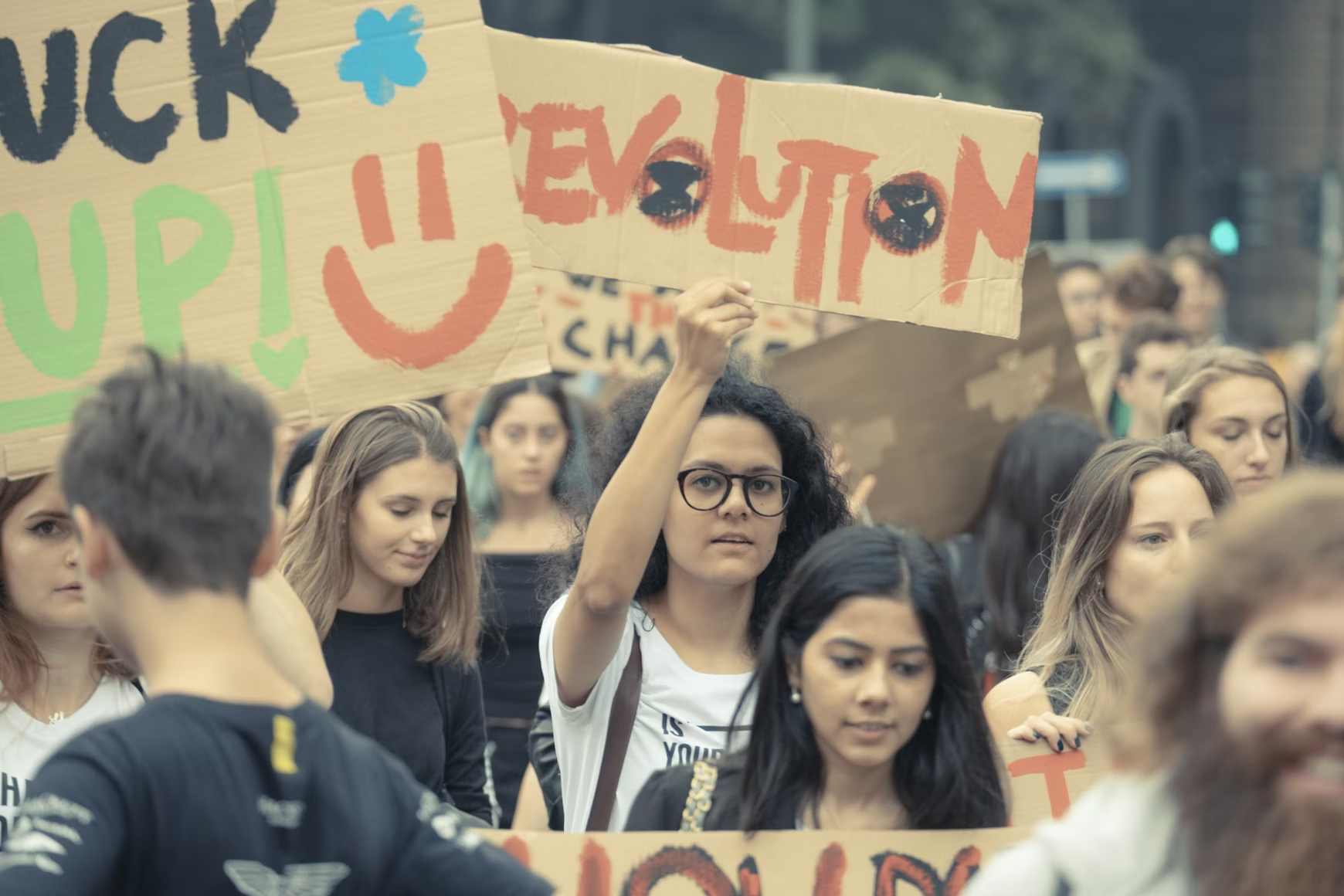
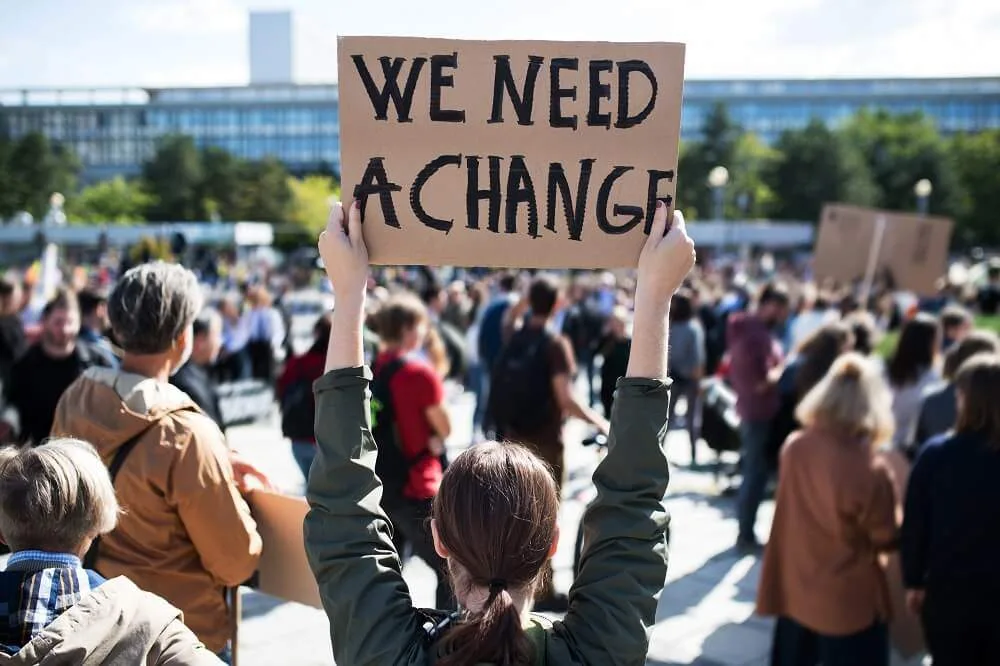
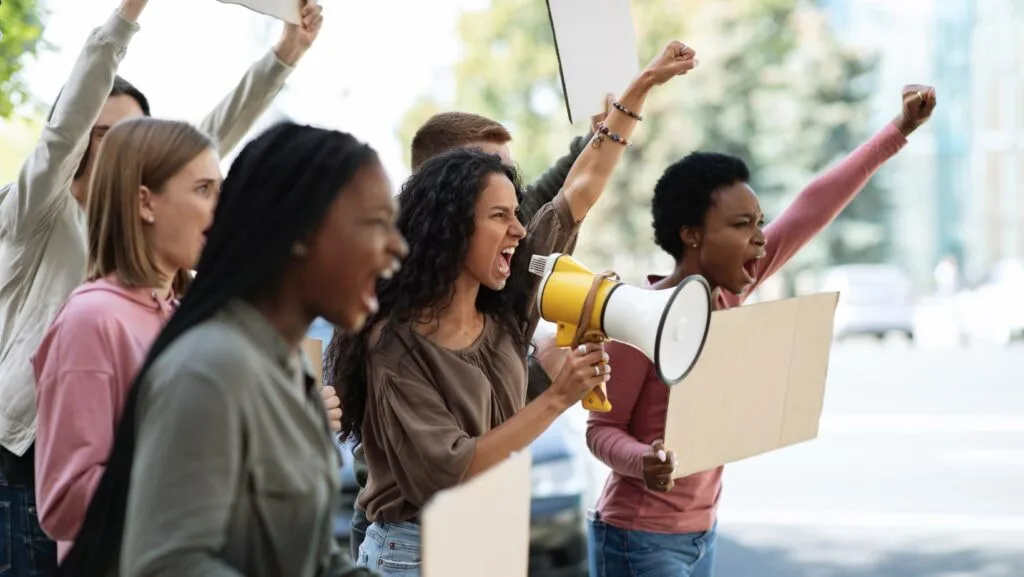
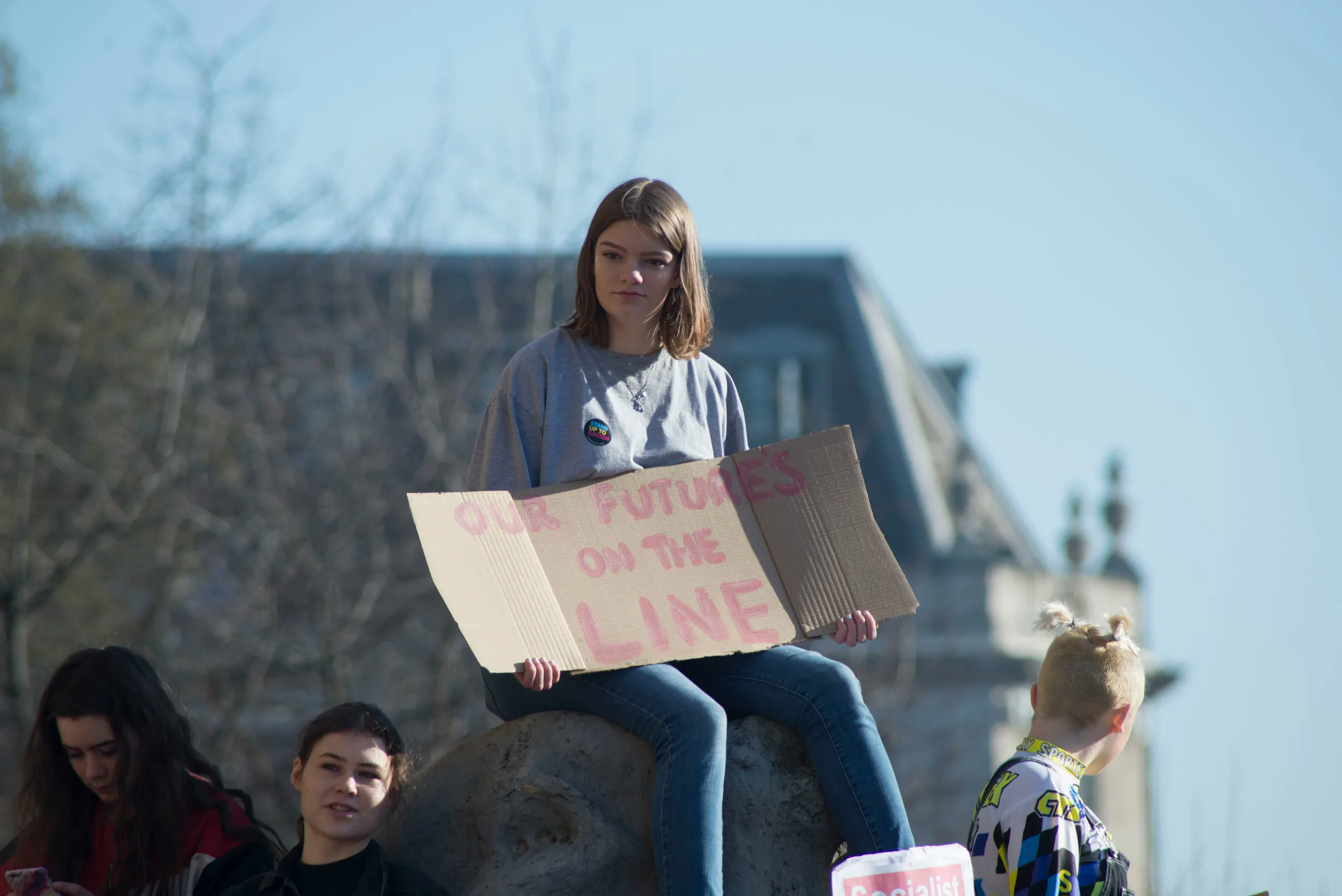
Recent youth-led mass mobilizations have challenged this assumption. In fact, it is impossible to fully measure young people’s engagement in civil society based solely on voter turnout. Their contribution to democracy is far more complex and often manifests in ways that defy traditional methods of participation. Since 2019, when young people began protesting political inaction on climate change and founded the Fridays for Future (FFF) movement, it has become clear that their preferred methods of engagement often fall outside established institutions. They are taking to the streets and leveraging social media as a powerful platform for activism to express their dissatisfaction with the state of the world.
In this article, we will explore examples of successful youth-led movements that highlight the profound impact young generations can have on shaping government policies and driving societal change. Examining these youth-driven movements is crucial because many of them reveal how deeply young people are committed to addressing societal inequalities. These movements are built on principles of inclusion and participatory democracy, organizing protests, events, and debates to bring about meaningful change. Their efforts have the potential to spark democratic renewal and lead to long-term transformation, especially in areas where traditional approaches have fallen short.
Young people today are not simply participating in one-off protests; they are altering their everyday lives to reflect their values. Many adopt vegan or vegetarian diets, choose organic, fair-trade, and locally sourced products, and avoid fast fashion in favour of second-hand clothing—all ways of aligning their actions with their beliefs. This wave of activism is primarily led by Generation Z. To understand their sense of urgency, it’s important to consider the historical context in which they were raised. Gen Z grew up during the Great Recession of 2008, witnessing first-hand the struggles their families faced in securing necessities and much of their adolescence was spent in isolation due to the COVID-19 pandemic, only for them to emerge into a world where climate change poses an existential threat to their future. Despite these challenges, most members of Gen Z are actively engaged in social or political causes. One remarkable feature of this generation is their refusal to respond to adversity with apathy. Instead, they channel their frustrations into advocacy and activism. Research shows that 70% of Gen Zers are involved in a social or political cause, even if they don’t identify as full-fledged activists.
One of the most notable examples is the Fridays for Future movement, which was spearheaded by Swedish activist Greta Thunberg.It all began in August 2018 when, at just 15 years old, Thunberg decided to sit outside the Swedish Parliament every school day, demanding urgent action on the climate crisis. Thunberg’s lone protest quickly gained momentum, inspiring young people around the world to join the cause. By September 8, 2018, Swedish lawmakers committed to a climate-safe pathway aligned with the Paris Agreement. The creation of the hashtag #FridaysforFuture catalysed a global movement, with school strikes taking place across Europe and eventually around the globe. Over the course of seven years, the FFF movement’s demands have been acknowledged by parliaments worldwide, underscoring how one individual’s determination can ignite an extraordinary collective response. Thunberg’s story proves that persistence in advocating for one’s ideals can lead to real change. No matter how dire the state of the world may seem, there is always room for improvement.
Another powerful example of youth-led activism is the March for Our Lives movement in the United States. After the tragic shooting at Marjory Stoneman Douglas High School in Parkland, Florida, students across the country rallied to demand an end to gun violence. Their vision was to create a society where gun violence becomes a thing of the past, and the use and abuse of firearms are eliminated. In 2018, the students took their message to the streets, organizing the largest single-day protest against gun violence in U.S. history. Millions of people joined the students from Florida, fed up with the constant threat of gun violence that accompanied even the most mundane activities—like going to school. Since then, the movement has been instrumental in passing over 300-gun violence prevention laws across the United States. Through their Road to Change initiative, the movement has organized rallies nationwide and conducted research to understand why gun violence is so pervasive in America with their Five Forces document. The March for Our Lives movement is a prime example of how tragedy can be transformed into a catalyst for change. It demonstrates that injustice should never be met with silence, and that no matter how deeply entrenched an issue may seem, it is always possible to challenge and change it.
As young people continue to raise their voices, initiatives like Youth DemocrAID further emphasize the importance of civic engagement. This project is dedicated to encouraging young people to take an active role in politics—from voting to participating in local community initiatives. It aims to foster dialogue and debate at the European level, focusing on the harmful effects of disengagement from democratic processes. By promoting participatory and non-formal educational methods, Youth DemocrAID is equipping the next generation with the tools and knowledge needed to make informed decisions and influence change. The initiative utilizes podcasts and digital tools to connect young people with democratic education. As part of the project, five distinct podcasts will feature interviews with national political representatives, activists, NGOs, and community members who share their stories, creating a shared and publicly accessible library. Over the coming years, the project will expand through a network of partners from the five participating countries: Italy, Poland, Greece, Portugal, and Slovakia.
If you feel disillusioned with the state of the world, don’t stay silent. Join initiatives like Youth DemocrAID to make your voice heard and connect with like-minded individuals who are equally committed to addressing global challenges. This is the only way to create lasting, meaningful change in our society.
Who can claim not to have any social media presence nowadays? If you’re reading this article, chances are you have accounts on at least three different platforms. Social media has become inseparable from our daily lives—we reconnect with old friends on Instagram, stay updated on the latest news via X, and laugh at memes on TikTok.
What’s even more intriguing is that social media today is not just a hub for light-hearted entertainment; it has evolved into a vital tool for political engagement. Politicians now recognize the necessity of mastering these platforms to connect with younger voters. Data from 2020 reveals that 97% of youth aged 12-17 engaged with at least one social media site, and 70% received information about the 2020 election through these channels. [1]It’s only natural, then, for politicians to expand their social media presence to communicate their messages effectively.
However, young people don’t solely consume political content from official accounts. They also engage with posts shared by peers, influencers who specialize in breaking down current events and encouraging civic action and famous people who decide to take the stand for what they believe in. For instance, during the 2024 U.S. elections, the role of celebrities was particularly impactful. When Taylor Swift announced her support for the Democratic Party on Instagram and X, her message prompted thousands of fans to register to vote almost immediately. Influencers often serve as trusted sources for political news because they communicate in ways that resonate with younger audiences.
Traditional media, such as television and newspapers, often struggle to engage young people. Their messaging can come across as out of touch, sometimes even criticizing youth as easily influenced or apathetic. In contrast, influencers know how to simplify complex issues and present them in relatable, digestible formats, which explains their significant influence on youth engagement.
When young people are addressed in ways they find relatable, their contributions to democracy can be transformative. The Fridays for Future movement is a prime example. Swedish activist Greta Thunberg, then a teenager, tapped into the fears and frustrations of her generation about the climate crisis. By leveraging social media, she amplified her message and mobilized a global movement, which not only brought millions to the streets but also influenced elections by empowering environmentalist parties across Europe.
The platforms most used for spreading messages are Instagram, TikTok, and X. Instagram excels at sharing infographics that spark discussions on specific topics. TikTok, especially popular since the pandemic, allows creators to post longer videos, enabling deeper dives into complex issues. X, meanwhile, remains a useful tool for directly interacting with politicians, critiquing them, or holding them accountable through public posts. Beyond social media, other digital tools like podcasts and virtual forums are also crucial for fostering democratic engagement among youth. Podcasts, for example, can host in-depth discussions on topics relevant to young people, often featuring expert interviews. Many podcasts focus on dissecting current events in accessible language, making it easier for listeners to understand political matters compared to traditional news outlets.
Virtual forums provide another avenue for meaningful debate. These spaces allow young people to discuss pressing issues with like-minded peers, which can be difficult to do in person due to a lack of accessible venues or interested participants. Online debates also give policymakers insights into the priorities of younger voters, helping shape policies that reflect their views.
In conclusion, technology has fundamentally transformed how young people interact with political issues. Youth now learn about current events through social media, then translate that knowledge into action by voting or advocating for change. This demonstrates that the digital world can be a powerful tool for increasing youth participation in democracy. To maximize its potential, those who seek to involve young people in civic life must harness platforms like social media, podcasts, and virtual forums in ways that captivate and inspire.
This is precisely why the Youth DemocrAid project was created. The initiative utilizes podcasts and digital tools to connect young people with democratic education. As part of the project, five distinct podcasts will feature interviews with national political representatives, activists, NGOs, and community members who share their stories, creating a shared and publicly accessible library. Over the coming years, the project will expand through a network of partners from the five participating countries: Italy, Poland, Greece, Portugal, and Slovakia. Through this project, young people will have the opportunity to engage with politics by fostering the exchange of ideas and facilitating debate at a European level about the negative impacts of youth disengagement in democratic processes. The primary goal of the project is to raise awareness about this issue by promoting participation and employing methods of informal education.
While the digital realm offers immense potential, it’s essential to use it responsibly to prevent issues like misinformation. With projects like DemocrAid, we can ensure that digital engagement becomes a force for good. Embracing these tools is the way forward—we just need to learn how to use them effectively!
Bianca Finessi, student of the University of Bologna.
Reference
1) Fletcher I (2023, October 3). “Increase in social media use spurring youth political engagement”, Diplomatic Courier.
In recent years, the European Union (EU) has placed significant emphasis on promoting gender equality within its institutions and across its member states. This effort to foster a more inclusive and equitable society is grounded in the belief that everyone—regardless of gender, sexual orientation, religious beliefs, or other aspects of diversity—deserves the opportunity to lead the life they envision, succeed both socially and economically, and actively participate in shaping the society in which they live.
Historically, women have faced greater obstacles in securing leadership positions and becoming key agents of development and change. Despite these challenges, many have broken barriers and achieved remarkable success. Today, thanks to more inclusive legislation and shifting societal attitudes, we see an increasing number of women in leadership roles, making significant contributions to their communities and across Europe.
In this article, we highlight the inspiring journeys of three extraordinary women who have made a meaningful impact through their work and dedication.
Danila De Stefano
Danila De Stefano exemplifies how personal experience can inspire impactful change within a community. Leveraging her expertise in psychology, De Stefano has dedicated herself to dismantling the stigma surrounding mental health. After earning a degree in Clinical Psychology from Sapienza University in Rome, she worked as a research assistant at Goldsmiths, University of London, and gained hands-on experience in various psychiatric clinics and charities. When she encountered significant difficulty in finding a therapist who spoke her native language, she conceived the idea of Unobravo—an online therapeutic service.
In just three years, Unobravo expanded rapidly, employing over 2,500 psychologists and psychotherapists, and supporting more than 80,000 patients. In 2021, Unobravo was recognized in Forbes Italia’s “Under 30” list in the Healthcare category, and in 2022, it received the prestigious “Entrepreneur of the Year” award in the start-up category from EY.
Today, Danila De Stefano serves as an inspiring figure for women seeking to revolutionize their fields through innovation and vision.
Cristina Bentué
Cristina Bentué offers a visionary perspective on the future of technology, emphasizing collaboration, inclusion, and narrowing the gender gap in STEM fields.
Currently a leader in the cybersecurity sector, Bentué is the co-founder and Chief Operating Officer of IriusRisk, a start-up that employs 150 people across three continents and counts major clients like IBM Security and Red Hat. Born and raised in Spain, she earned a Bachelor of Arts in Spanish Language and Literature from the National Distance Education University in Madrid.
Her interest in technology was sparked after moving to Barcelona, where she immersed herself in the city’s vibrant start-up ecosystem. Motivated to empower young women in STEM, Bentué has spearheaded numerous initiatives designed to inspire girls to pursue careers in technology, equipping them with both the skills and confidence to succeed.
Cristina Bentué stands as a role model for women navigating male-dominated industries, demonstrating that perseverance and dedication can lead to success in even the most challenging fields.
Sofija Todorović
Sofija Todorović, a feminist and human rights advocate from Serbia, is another powerful example of a woman working to improve European society.
A law graduate from the University of Belgrade, Todorović currently serves as the Program Director of the Youth Initiative for Human Rights (YIHR) in Serbia. She is deeply involved in educating the public about transitional justice, human rights, and conflict resolution.
Despite facing personal risks, including physical injury, Todorović remains undeterred in her fight against authoritarianism and nationalism in the Balkans. She organizes pride marches and advocates for greater equality for people of all genders and sexual orientations in Serbian society. Over the past decade, her articles and workshops have reached more than 10,000 people, spreading her message of inclusivity and justice.
In recognition of her tireless commitment to human rights, Todorović has received numerous accolades, including the Ledolomac Human Rights Prize from Serbia’s Liberal Democratic Party in 2018, the Feminist Achievement Award from BeFem in 2019, the Ordinary Heroes Recognition from the Post-Conflict Research Centre in Bosnia and Herzegovina in 2020, and the Human Rights Defender Award from Civic Initiatives in Belgrade in 2021.
These three exceptional women have turned their personal challenges into opportunities for growth and societal change, whether by building successful enterprises or by shaping their communities for the better. What sets them apart, however, is their commitment to sharing their success with others—particularly women who may lack the resources or confidence to pursue their goals.
True empowerment is achieved not through individual success alone, but through collective action and support. By fostering a culture of collaboration and inclusivity, we can ensure that no one is left behind. Real societal progress will come when every person has access to the tools and opportunities they need to pursue their dreams.
Bianca Finessi, student of the University of Bologna.
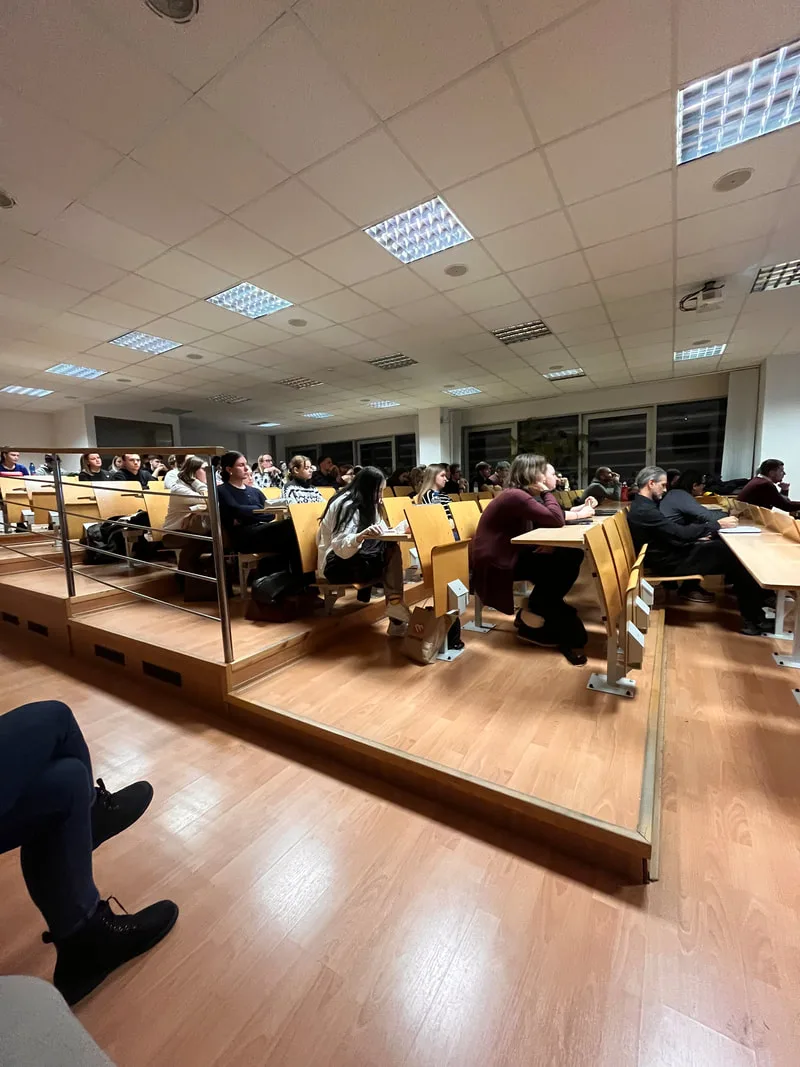
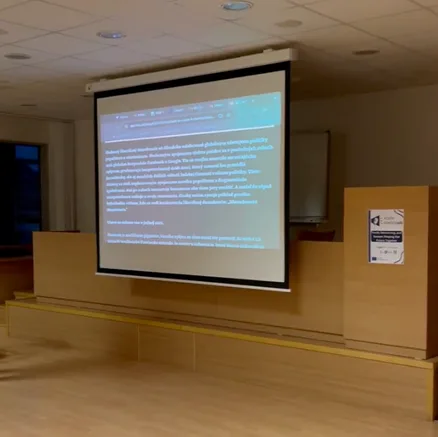
On November 12, 2024, Trnava University became a vibrant hub of discussion and inspiration as 51 young people and students gathered for a seminar within the Youth DemocrAID project, funded by the CERV program. Organized by Youth for Equality, the event focused on the pivotal role of youth in democratic processes, exploring the impact of the Internet on political systems and youth engagement.
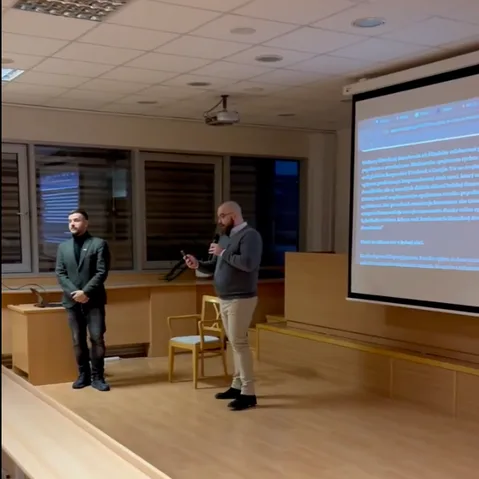
The seminar opened with an introduction to the Youth DemocrAID project by Mario Vrabel, a representative of Youth for Equality. Mario outlined the initiative’s mission: empowering young individuals to participate actively in democratic decision-making and shaping a more inclusive and resilient future.
The keynote session was delivered by Tomáš Kriššák, a political scientist and expert in combating online disinformation. A graduate of Matej Bel University in Banská Bystrica, Kriššák has dedicated his career to addressing the challenges posed by hoaxes and misinformation. During his address, he unpacked the complex relationship between the Internet and political systems, emphasizing the power of young people to influence political agendas and advocate for their rights.
Kriššák presented actionable strategies to enhance youth participation in democratic processes. He underscored the importance of fostering inclusive dialogue, using social media as a tool for advocacy, and developing media literacy to combat the spread of disinformation. In a world shaped by the digital age, understanding and navigating the online landscape is critical for youth who aspire to be active citizens.
The session also provided a platform for interactive discussion. Participants shared their experiences, challenges, and ideas for strengthening democratic engagement within their communities. Topics ranged from addressing apathy among peers to creating opportunities for meaningful involvement in local decision-making.
The seminar concluded with a networking session complemented by light refreshments. The seminar allowed participants to exchange ideas, forge connections, and explore collaborative initiatives aimed at fostering youth engagement in democratic life.
The event was more than just a discussion; it was a call to action. By equipping young people with knowledge and strategies, the Youth DemocrAID project is creating a ripple effect, encouraging them to take ownership of their role in shaping democratic societies.
Over the past year, citizens across various nations have participated in critical elections. In June, Europeans cast their votes for a new Parliament, while more recently, the United States chose its next President. Despite the distance between these elections, a shared theme emerged across debates: the vital role of women’s voices in today’s political landscape. Candidates increasingly recognize that, in tightly contested races, a commitment to gender equality can be a deciding factor.
The European Union has made notable strides toward gender equality, including the ratification of the Istanbul Convention in 2023, a significant step in the fight against gender-based violence. Despite this progress, many societal and structural barriers continue to hinder women’s full participation in politics and impede career advancement. Women often face unique challenges that limit their access to leadership roles. From a young age, many women are raised in environments that undervalue their potential, leading to self-doubt and deterring them from pursuing positions of authority. Additionally, women frequently have limited access to critical resources like time, financial support, and political networks. Domestic and caregiving responsibilities also tend to fall more heavily on women, restricting the time they can dedicate to their careers.
The scarcity of female role models in mainstream media further compounds this issue, making it difficult for aspiring female leaders to envision a path in politics. Patriarchal structures within political parties often make it challenging for women to achieve leadership roles in male-dominated fields.
On a positive note, these challenges mean that when women do pursue political office, they often do so with significant resolve and careful consideration. Female candidates who succeed tend to be exceptionally qualified and often excel in their roles, achieving notable progress and innovation. This is, in part, because the obstacles they face drive them to be exceptionally well-prepared and focused.
Gender equality is critical for a robust democracy. When more women assume influential roles, legislation better reflects the needs of the entire population. For instance, female leaders are more likely to champion issues often overlooked, such as healthcare inequalities, where conditions affecting women frequently lack adequate research. Additionally, increased representation helps combat patriarchal norms, leading to enhanced protections for women against domestic, sexual, and economic violence.
A society with laws that support gender equality is more likely to invest in equal educational opportunities for young girls, which can contribute to a reduction in poverty levels. Access to education and opportunities has a profound effect on women’s socio-economic stability, especially for single mothers, who often face financial hardship.
Currently, despite the European Union’s commitment to gender equality, women remain underrepresented in government and parliaments across the EU. Yet, the EU has achieved more substantial progress than many other governing bodies. As of February 2024, women accounted for 39.9% of the European Parliament, surpassing the EU national parliaments’ average of 31.6%. [1] However, disparities in female representation persist among Member States, both at the European and national levels.
One effective way to tackle women’s underrepresentation in politics is through changes to electoral systems. Today, eleven Member States enforce binding gender quotas for European elections—Belgium, Greece, Spain, France, Croatia, Italy, Luxembourg, Poland, Portugal, Romania, and Slovenia. While these quotas have helped increase female representation, biases still linger, with voters often underestimating women’s leadership potential. Educating voters could help counter these biases. Encouraging citizens to become informed about candidates and discussing influential female political figures can foster positive role models for future generations.
One initiative making an impact in this area is DemocrAid, a project that empowers young women in politics through civic education, mentorship, and exposure to female role models. By addressing topics such as equality and women’s rights, DemocrAid provides young women with a comprehensive understanding of the political landscape and how they can make a difference. Through events, participants interact with accomplished female leaders, offering both inspiration and practical examples of leadership. DemocrAid’s mentorship program further supports young women, helping them build confidence and navigate political spaces. The project’s mission is to inspire a new generation of informed, empowered female leaders ready to make a difference in their communities. In conclusion, while it can be discouraging to observe the current rates of female representation in political leadership, individuals and initiatives like DemocrAid are working to change this reality. As citizens, we have the power to shape our communities, making it worthwhile to support and engage with projects that advance gender equality and women’s leadership in politics.
Bianca Finessi, student of the University of Bologna.
Reference
1) I. Zamfir, Women in politics in the 2024 election year, “Epthinkthank”, 2024.
Over the past decade, Europe has experienced a series of transformative events that have significantly affected its citizens. These include the economic crisis, the rise of populism, increasing anti-European sentiment, and a surge in nationalism. Amidst these changes, one demographic remains consistently underrepresented, even though its influence could profoundly shape the continent’s future: young people.
In this article, I will explore how young people are engaging with civic life and why their involvement is essential for the future of European democracy.
To begin with, the 2019 European election saw the highest voter turnout in more than 20 years, with over half of the European population casting their ballots. Notably, youth participation surged from 28% [1] in the 2014 elections to 42% in 2019. This increase reflects a growing interest among young people in the electoral process, which is a highly positive outcome. But why is it so critical for as many young citizens as possible to engage in civic society?
There are several key reasons. First, youth participation strengthens European democracy by ensuring that governments take into account the perspectives of this vital demographic. The attitudes and values of younger generations often signal future social and political trends. Additionally, when a larger proportion of a country’s population engages in civic life and voting, lawmakers can pass legislation that is more inclusive and reflective of the aspirations of a broader section of society. This inclusivity can foster a more peaceful and cohesive society.
Young people, in particular, will feel the long-term effects of government decisions—such as those related to taxation—throughout their lives. Hence, it is crucial that they stay informed and active in shaping the world around them, advocating for necessary improvements in society.
Civic engagement is not an abstract concept; it is the foundation of our communities, shaped by our collective efforts. Therefore, it is imperative that we strive to align our societal structures with the principles and values we hold dear.
One of the current challenges is that youth engagement varies greatly across European nations. Some countries, like Portugal (15.7%), Slovakia (15.7%), Greece (15.2%), and Italy (15%), have relatively smaller youth populations compared to nations such as Iceland (20.9%), Cyprus (19.8%), or Denmark (19%). In countries like Poland, Slovakia, and Italy, over 60% of young people do not actively participate in civic activities, while nations like Greece and Portugal report higher youth participation, with around 50% engagement.
There are many reasons why some young people may be less inclined to participate. These include lack of time, insufficient interest, or simply never having been invited or encouraged to get involved.
So, how can young people participate in democracy beyond voting? Civic engagement encompasses a wide range of activities. Youth can express active citizenship through protests, petitions, or direct communication with political representatives, ensuring their voices are heard throughout the year, not just during elections. Directly addressing decision-makers on pressing issues can be a powerful way to influence change.
Young individuals can also contribute to society by volunteering, organizing, or joining cultural and leisure activities. Research indicates that over half of Europe’s young citizens are involved in initiatives promoted by youth organizations. Popular forms of engagement include sports, volunteering, and recreational hobbies.
Even small actions can count as civic engagement. For instance, using a specific hashtag, changing a profile picture on social media to signal support for a cause, posting about a recent event, or boycotting a brand are all ways young people can engage with societal issues.
Recognizing the importance of youth participation, the European Union has implemented a Youth Strategy aimed at fostering greater engagement in both democracy and society.
To further encourage youth involvement, initiatives should focus on issues that resonate with this age group. Across Europe, young people tend to share common concerns, such as addressing poverty and inequality, combating climate change, protecting the environment, and reducing unemployment. Furthermore, they are often strong supporters of the EU and generally express higher satisfaction with how democracy functions within the Union compared to older generations.
Creating specific programs to engage youth, such as internships in political institutions or continuous dialogue with politicians, could help young people feel more connected to and represented within the political system. These opportunities would demystify politics and make it more accessible to the younger population, reinforcing their role in holding elected officials accountable.
In conclusion, building a diverse and inclusive European democracy depends on encouraging young people to take an active role as citizens. This can only be achieved by creating opportunities that resonate with their interests and address the issues most important to them. Moreover, efforts to engage youth in civic society must strive for inclusivity, ensuring that all young citizens, regardless of socio-economic background, religion, ethnicity, gender, or other factors, have an equal opportunity to shape the future of democracy in their countries.
Given the current state of affairs in the European Union, it is increasingly evident that safeguarding the future of European democracy requires governments and institutions to not only invite but prioritize youth participation, embedding their voices in decision-making processes at all levels is essential.
Bianca Finessi, student of the University of Bologna.
References
European Union, Understanding youth engagement in Europe through open data, data.europa.eu, 2023.